
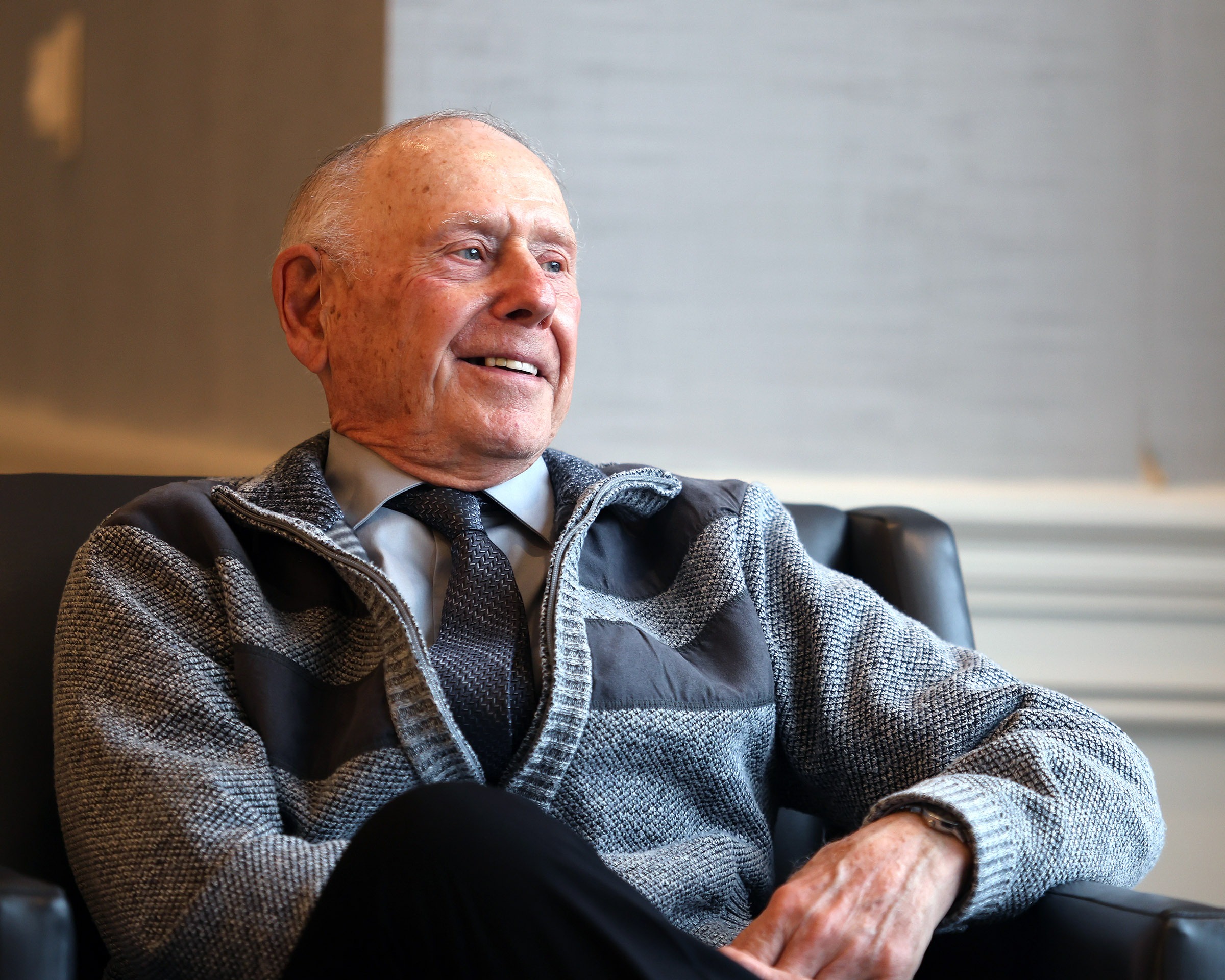
Don Marean a champion of Standardbred aftercare
Don Marean has worn a lot of hats in his long and storied career in harness racing , which dates to the 1980s. But, no matter what position Marean has held, the bottom line for him was, is, and continues to be the well-being of Standardbreds. And currently, Marean, now 84, continues to work for the secure future of Standardbreds after their racing careers conclude.
Marean, a native of Maine and a longtime USTA director, currently serves as chairperson of District 9, which represents all of New England. He made his living as the owner and operator of Standish Hardware and Feed, in Standish, Maine, for over 30 years, but he and his wife, Linda, were also always very active racing Standardbreds. They owned their own stable for years, racing all over the Pine Tree State and in the Maine Sire Stakes program.
Their involvement eventually led them to establish Lindon Farm in 1988, which became a commercial operation housing Maine-eligible sires and as many as 100 broodmares, foals and yearlings at any given time. While active, the farm was responsible for breeding close to 1,000 Standardbreds.
Over the years, Marean has found himself in many leadership roles across many platforms. Besides his service to the USTA and 12 years spent in the Maine House of Representatives (2004-08, 2012-20), he is also on the board of the American Horse Council, a director of the University of Maine Board of Agriculture, a director of both the Maine Harness Horsemen’s Association and Maine Standardbred Breeders and Owners Association, and he also serves on the Maine Harness Racing Commission.
With all that involvement, just about everyone in the sport knows Marean, especially in Maine. And that includes the person responsible for setting him on a path towards accomplishing what he now calls his most gratifying successes.
“About 14 years ago, Marilyn Goodreau (who ran the Maine State Society for the Protection of Animals) called me to discuss something,” said Marean. “She told me, ‘You need to do something about your breed because they are becoming a real problem here in Maine.’
“At that time, there were horses everywhere. They were coming off the racetrack and given away as pets, and everyone had one in their backyard. The problem was when those people lost interest, these horses became neglected, and Marilyn was the one rescuing them. And since she did it out of the goodness of her heart, the financial burden was starting to become overwhelming.”
Marean told Goodreau she was right, and he promised to do something about it. With the annual USTA meetings coming up shortly after that conversation, he planned to use that platform to do something to alleviate this issue.
“I called (then USTA president) Phil Langley and asked for 10 minutes at the meeting to talk about how our horses are falling through the cracks and how we’re not doing anything to help them,” said Marean. “I made my pitch about the issue and ended up getting a standing ovation. Paul Fontaine, who was the Chairman of the Board, then said I needed to meet with the finance committee to see what we could do.”
Marean suggested the USTA invest $500,000 to get a program started. And after some back and forth, a motion was made that $100,000 be allocated the first year, with additional funds provided every year after that. The program was named Support Our Standardbreds (SOS), and it continues to provide financial assistance to public agencies and 501(c)(3) charitable groups caring for registered Standardbreds to this day. After SOS was established, there were still concerns about long-term viability and making sure horses were able to transition to new careers right after racing ended, while allowing all stakeholders to be a part of the solution.
And that’s when Marean’s next project began.
“Several years after SOS began, (USTA executive vice president and CEO) Mike Tanner and (USTA president) Russell Williams came to me and said we needed to establish another 501(c)(3) to take care of this welfare situation and have it stand on its own — free from the USTA — and raise money from within the industry and help accredited programs to do this kind of work,” said Marean. “I absolutely supported that idea, and that’s how the Standardbred Transition Alliance (STA) came about. Mike, Russell and I convinced the board that this was the right thing to do, and the USTA gave some money to get it started and have continued contributing to it every year since.
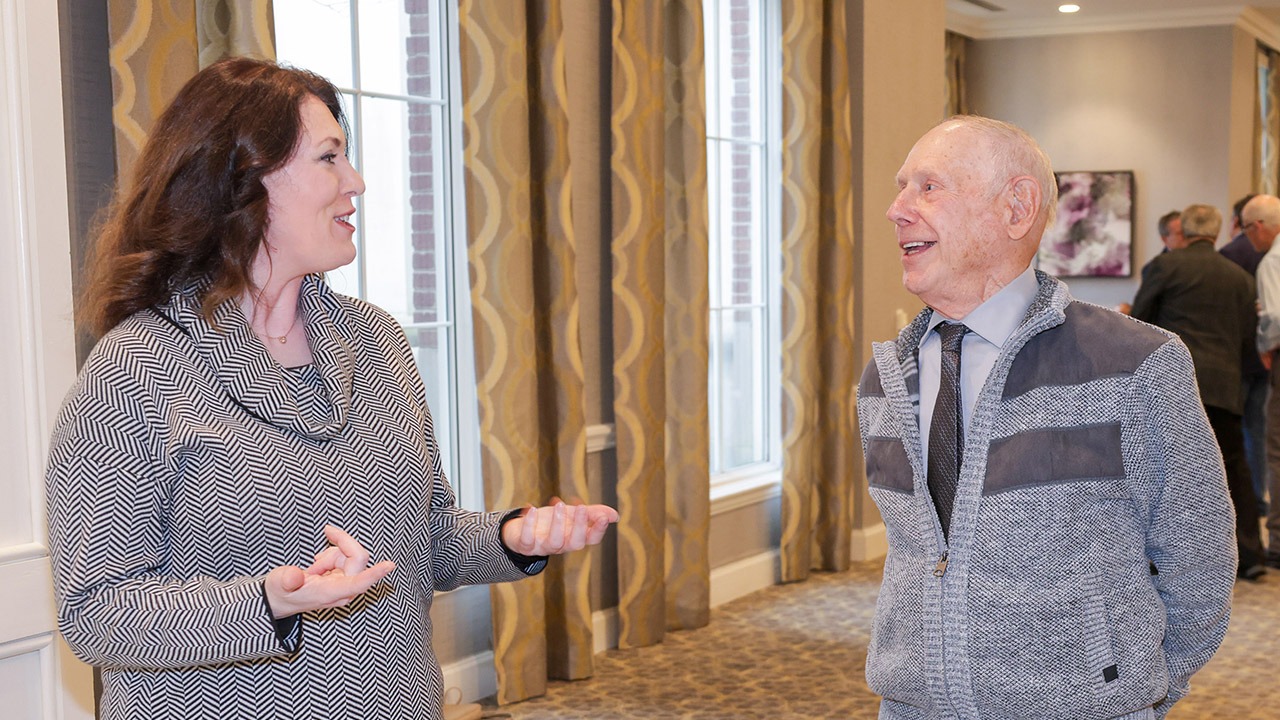
“Now we get donations from other horsemen’s groups, breeders, people who have died and left money to us, and many fundraisers at racetracks that all help us out. Since the start of the STA, we have appropriated over $1 million and helped several hundred horses as a result.”
The STA began in 2018 with David Reid (co-founder and president of Preferred Equine) serving as president of the group until 2023. That is when Marean took the reins, serving in that role until March of this year, when Dr. Andy Roberts was elected to succeed him as president.
The STA has been very successful, but that doesn’t mean there are no challenges down the road. The main concern continues to be fundraising, and Marean fears complacency may be setting in.
“Right now, I’m concerned that our support is losing momentum,” he said. “Some people seem to be losing interest for one reason or another, and we can’t let that happen. People are still breeding and racing horses, and horses are still coming off the track requiring these programs. This isn’t something we need to fix for a couple of weeks or a couple of years; this remains an ongoing effort.
“We need to get the industry to step up to the plate and continue to make their contributions so we can keep this program afloat and expand our efforts. I’m very, very proud of how this program has played out, but we need to keep the industry excited about doing it.”
There are many horse rescue programs out there vying for funding, but all are not the same as the STA. Marean explains just exactly how they differ.
“We are all not quite on the same mission,” he said. “Some of the rescues out there are sanctuaries. Our mission statement does not allow us to be a sanctuary. Our mission is to take horses right off the racetrack before they fall through the cracks, retrain them, and rehome them. And that’s all we concentrate on. The USTA still helps horse sanctuaries in certain cases, but that is done through SOS, which is still hard at work, carrying out what it started almost two decades ago. I want to help any horse that needs to be rescued, that’s for sure. But as president of STA, I had to make sure we stuck to our mission.”
The STA currently accredits six aftercare organizations: New Vocations, Futures For Standardbreds, Sunshine Horses, Purple Haze, Happy Trails Farm and Heart of Phoenix. They are all examples of what the STA is trying to accomplish: find the horse’s strength, train them in it, and find a place where they can be productive, all in a short period of time.
“In order to ensure the future of harness racing, we need to keep protecting our horses at all stages,” Marean stressed. “And one of the things we’re doing that really puts a feather in our cap is caring for these horses when they’re done. Because somebody at some point is going to have to take care of them when they’re finished racing and we should all be responsible for that. We don’t hesitate to go to a sale and pay hundreds of thousands of dollars for a yearling, yet we sometimes struggle to spend a few bucks to keep one from ending up in a bad situation, and that has to change.”
Marean also reflected on his lengthy career in the sport and what it has meant to him personally.
“My 40-year commitment to this industry has probably been one of the nicest things I’ve ever been involved in,” he said. “We’ve met some really nice people along the way, made a lot of friends, and I’ve never met anyone in the industry that I didn’t like. It’s a business that brings people and families together where if somebody gets in trouble, everybody rushes to help. I’ve been lucky to have been a part of it and look forward to my continued involvement.”
This story appears in the April 2026 issue of Hoof Beats, the official magazine of the USTA. To learn more, or to become a subscriber to harness racing’s premier monthly publication, click here.